
Map the intervention
Tracking, tensioning, lubrication, scraper adjustment and spillage cleaning are reviewed before panel sizes and access are fixed.
Bespoke guards for belt conveyors, head and tail drums, return idlers, drive stations, skirting, tensioning systems and accessible underside hazards.
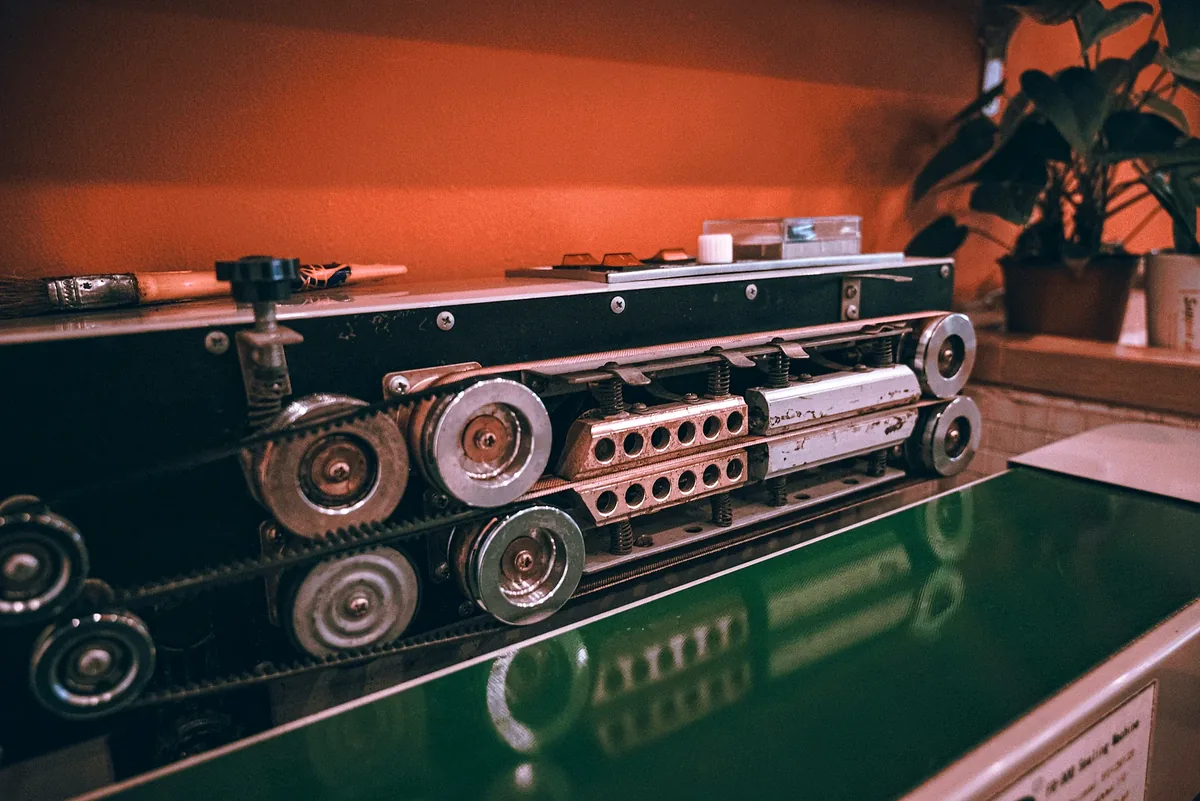 Belt conveyor hazards · survey to installation
Belt conveyor guarding prevents people reaching in-running nips, rotating drives, return rollers and moving belt paths while retaining the access needed for inspection, tracking, cleaning and maintenance. The guard shape, aperture, distance and removal method must be designed around the actual conveyor and task.
A useful survey follows the belt from the loading point to discharge and back along the return path, checking every approach from floors, platforms and adjacent structures.
Tracking, tensioning, lubrication, scraper adjustment and spillage cleaning are reviewed before panel sizes and access are fixed.
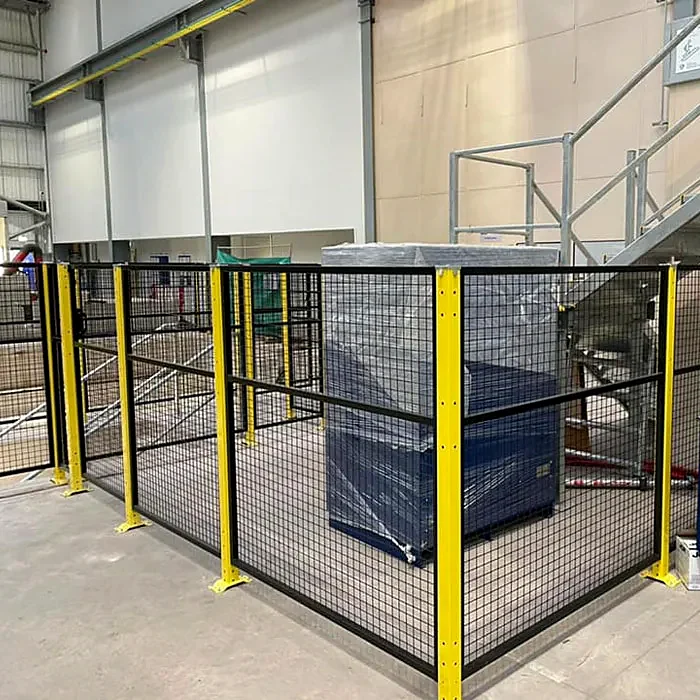
Mesh supports visibility and ventilation; solid or perforated sheet can improve containment. Aperture and distance are treated together.
Infrequent access may suit tool-removable panels. Regular access may require hinged or interlocked guards and a defined safe response.
A guard should make the dangerous part unreachable from every foreseeable direction without creating a new manual-handling, trapping or maintenance problem. Fixings, panel weight and safe storage matter whenever a guard is removed.
Emergency-stop pull wires can support the overall protective system, but they do not replace physical guarding at accessible dangerous parts. Safe isolation remains essential for cleaning, adjustment and maintenance.
The quotation defines the agreed mechanical, electrical and customer responsibilities so the work can be planned around shutdowns and production.
Clear answers for early planning; the machine-specific assessment determines the final safeguarding arrangement.
Accessible head and tail drums, return idlers, drives, couplings, tensioners, tracking mechanisms, scrapers and other in-running nips should be assessed. The complete route and all approaches need reviewing.
Yes. Guards can usually be designed around existing frames, supports, drives and access routes. A site survey confirms available fixing points and any modifications required.
No. Pull wires are emergency-stop devices; they do not physically prevent access to a nip or rotating component. They form one part of the wider safeguarding arrangement.
Access can be designed for tracking and maintenance, but the method should include safe isolation, appropriate fixings and controlled restart. Frequent access may justify interlocking.
Send photographs, a layout or a short description. We can help define whether the next step is a desktop review, site survey, repair or complete guarding project.
Conveyor guarding should prevent access to dangerous drives, nips, transfer points, return rollers and exposed undersides while preserving the controlled access needed for cleaning, adjustment and maintenance.