
Follow the material route
Carton, tote and pallet dimensions—including overhang and accumulation—shape openings and guard positions.
Bespoke guarding for carton, tote, parcel and pallet conveyors across warehouses, distribution centres and automated fulfilment operations.
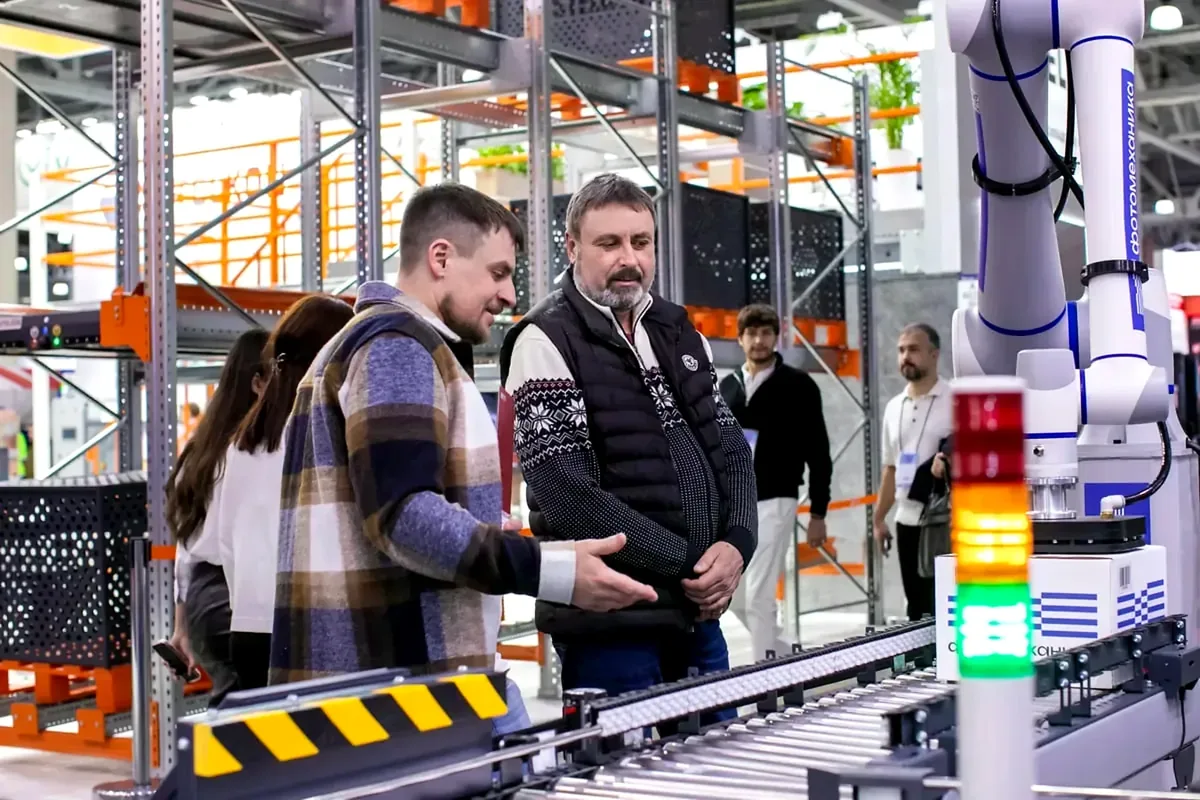 Cartons · totes · parcels · pallets
Warehouse conveyor guarding prevents access to drives, powered rollers, transfers, undersides and automated mechanisms while managing the frequent pedestrian, maintenance and product openings found in logistics environments. The solution must follow people and goods through the complete system.
A warehouse line may cross walkways, pass between levels and connect machinery from several suppliers. Every interface can change the guarding requirement.
Carton, tote and pallet dimensions—including overhang and accumulation—shape openings and guard positions.
Walkways, crossings, workstations, fire routes and shortcut risks are reviewed around the conveyor layout.
Blocked products, sensor cleaning and maintenance access receive a controlled method that minimises unsafe workarounds.
Different conveyor suppliers may define separate equipment boundaries, but the person sees one connected line. Transfer gaps, stopping behaviour and ownership must therefore be reviewed across the interface.
Material openings may use tunnel distance, close-fitting infills, monitored access or a validated sensing and muting arrangement. The product opening must not become an uncontrolled person-access route.
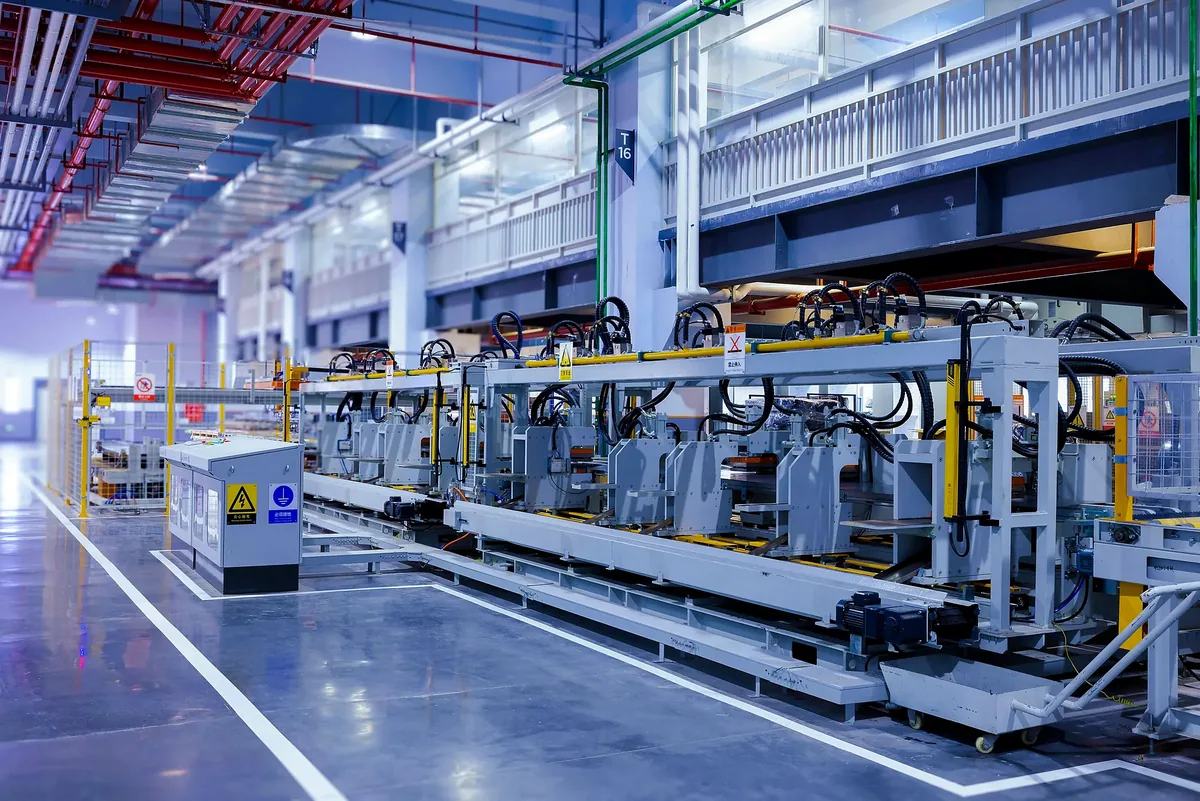
Projects can cover a single transfer or a complete conveyor network, including physical panels, access points and agreed safety-system interfaces.
Clear answers for early planning; the machine-specific assessment determines the final safeguarding arrangement.
Work can often be phased by zone, but the installation area must be safely isolated and temporary boundaries controlled. The method is agreed during planning.
The design may use distance, tunnel geometry, close-fitting infills or monitored transfer technology, depending on product size, access and machine behaviour.
Yes. The survey includes access from platforms, stairs and lower levels, along with falling-object, maintenance and evacuation considerations.
Yes. Pallet systems introduce larger openings, heavier loads and different chain, roller and transfer hazards, all of which are assessed around the application.
Send photographs, a layout or a short description. We can help define whether the next step is a desktop review, site survey, repair or complete guarding project.