
Preserve the product envelope
Carton, tote or pallet dimensions, overhang and misalignment are established before closing gaps or adding tunnel geometry.
Guarding for powered roller conveyors, chain-driven rollers, transfers, pop-ups, stops, side access and maintenance points across production and logistics lines.
 Powered rollers · transfers · controlled access
Roller conveyor guarding controls access to powered roller nips, chain and sprocket drives, transfers and mechanisms beneath the conveying surface. The correct solution depends on roller spacing, product size, access frequency, conveyor height and how jams or maintenance tasks are handled.
Roller lines are often accessible along their full length. The review must include drive components, product interfaces, crossing points and mechanisms hidden below the rollers.
Carton, tote or pallet dimensions, overhang and misalignment are established before closing gaps or adding tunnel geometry.
Panels and infills prevent reach to chains, sprockets, shafts and powered mechanisms without blocking planned service access.
Crossings, jam recovery, sensor cleaning and maintenance points receive a defined access and isolation method.
Product side guides keep cartons or pallets positioned; they are not automatically personnel safety guards. A safety guard must prevent reach to the danger zone and be fixed or monitored appropriately for the task.
Where products pass through a guarded boundary, the opening must suit the complete product envelope without becoming a route for a person to reach dangerous movement. Tunnels, distance, infills or monitored transfer concepts may be appropriate.
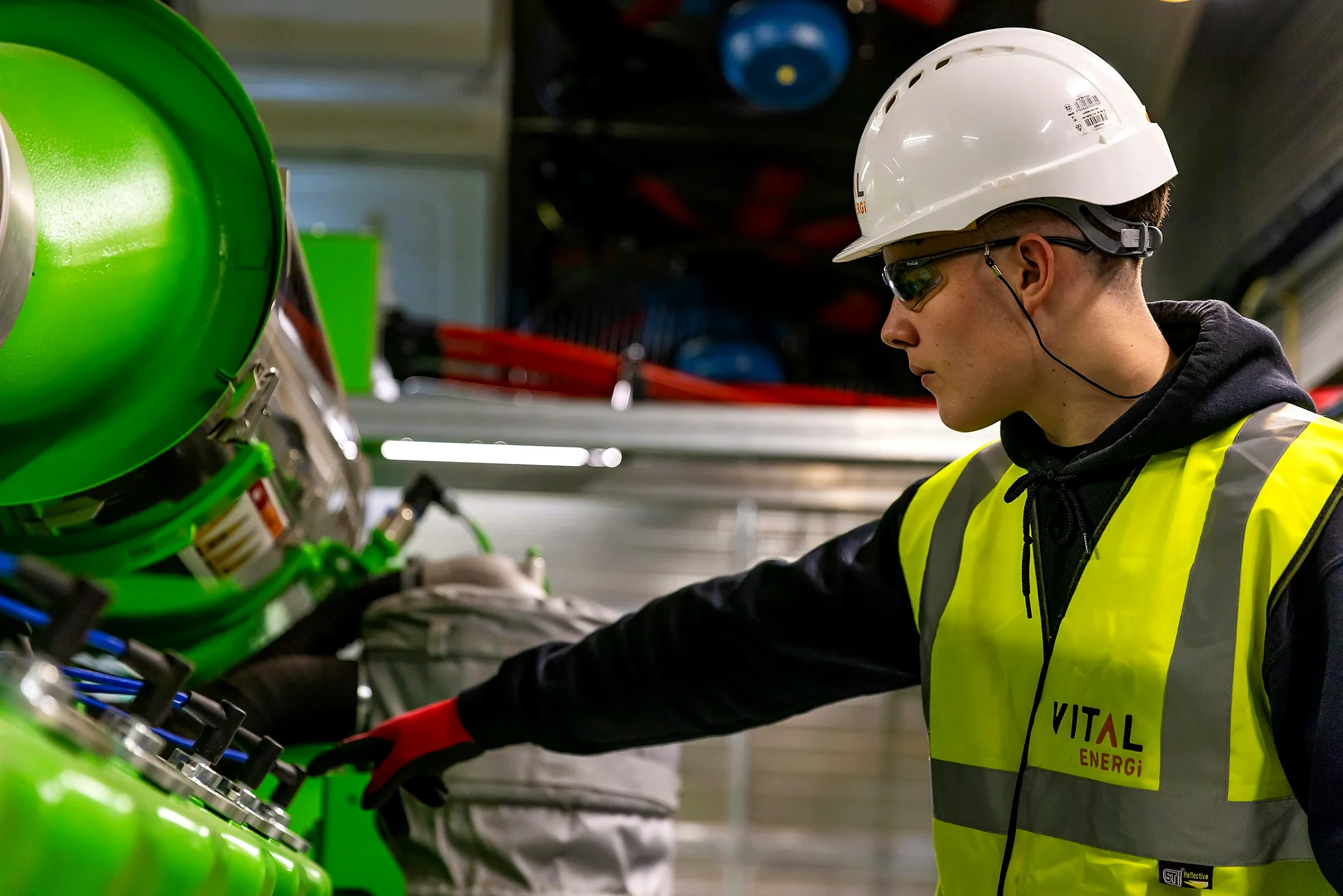
We develop the guarding around product movement, maintenance tasks, line interfaces and site access rather than treating each conveyor section in isolation.
Clear answers for early planning; the machine-specific assessment determines the final safeguarding arrangement.
Not necessarily. The safeguarding concept may use covers, infills, distance or an enclosure around a group of rollers. The geometry, force, speed and access determine what is required.
A side guide positions products. A safety guard is designed and fixed to prevent access to a dangerous part. A component should not be assumed to perform both roles without assessment.
Often yes. Survey, manufacture and installation can be divided by zone or shutdown window, provided temporary conditions and interfaces are controlled.
Yes, where routine access and stopping behaviour justify monitored access. The interlock, safe stop, reset and restart function must be engineered as a complete safety function.
Send photographs, a layout or a short description. We can help define whether the next step is a desktop review, site survey, repair or complete guarding project.