
Product envelope first
We map the largest product, variation and misalignment allowance before defining opening geometry and guard position.
Guarding shaped around product flow at conveyor-to-conveyor and conveyor-to-machine interfaces, where changing geometry can create hidden trapping and drawing-in points.
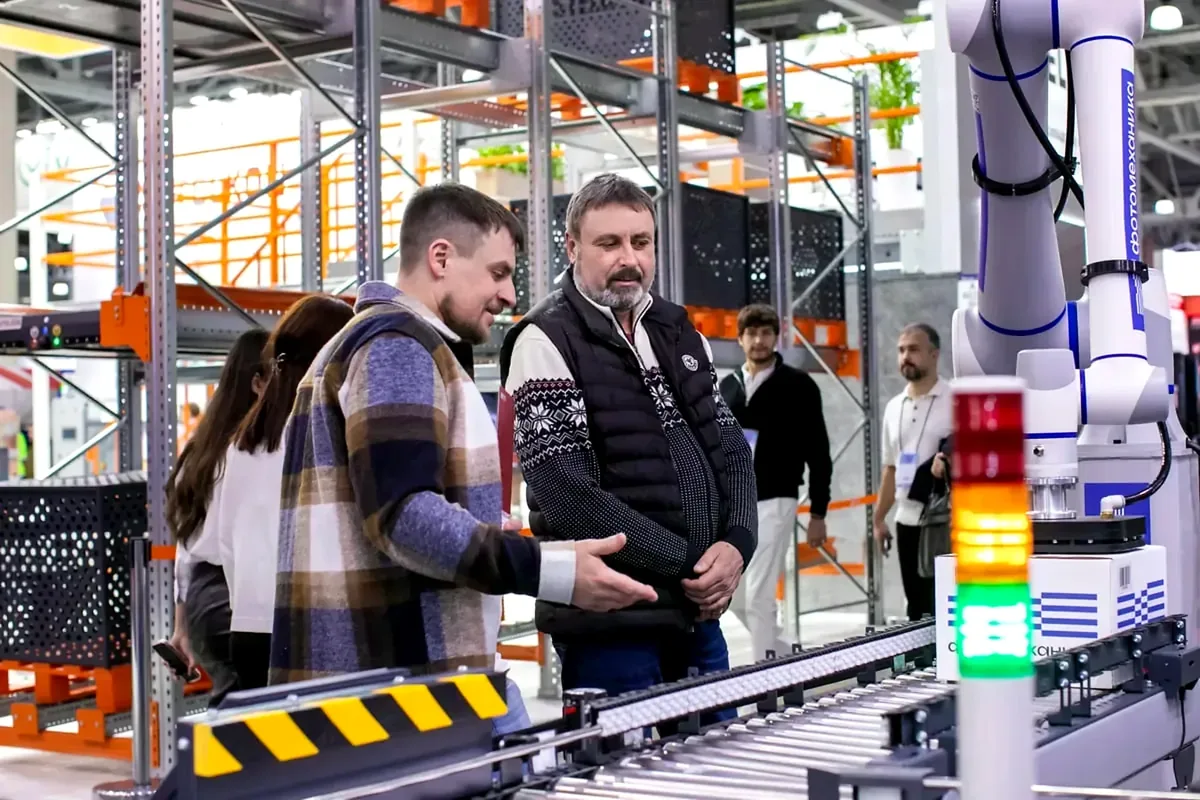 Guarding engineered around your production line
Transfer-point guards control access where belts, rollers, plates, pushers, merges or adjacent machinery create trapping, shearing or drawing-in hazards. A successful design follows the product envelope without leaving a reach route around, over or beneath the transfer.
The final arrangement follows the application, but a useful project review considers each of these recurring issues.
We map the largest product, variation and misalignment allowance before defining opening geometry and guard position.
The boundary between conveyors and adjacent machinery is treated as one safeguarding problem, not two separate guard packages.
Jam clearance and inspection access are designed around isolation, visibility, reach and restart control.
Deliverables are agreed in the quotation so mechanical, electrical and customer responsibilities remain clear.
These answers are general; the machine-specific assessment and agreed project boundary control the final design.
The product must pass through while moving components, gaps and height changes can create access to nips. The solution often combines close-fitting fixed guards, distance and controlled access.
It should not when the full product envelope is confirmed at the design stage. We consider dimensions, orientation, variation and foreseeable accumulation before setting clearances.
Yes. Our survey defines the physical and control-system interfaces so responsibilities, safe states and access arrangements can be agreed across the combined line.
Send photographs, a layout or a short description. We can help define whether the next step is a desktop review, site survey, repair or complete guarding project.