
The task determines access
Frequency, duration, body position, visibility and intervention type guide door size, hardware and device choice.
Movable conveyor guards and access points integrated with a defined safe stop, access, reset and restart sequence for regular production and maintenance tasks.
 Guarding engineered around your production line
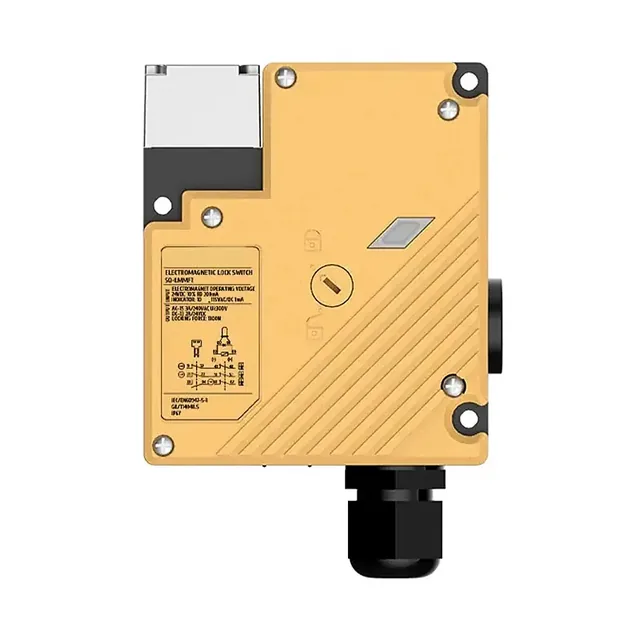
Interlocked access monitors a door, hatch or removable guard and initiates or maintains a safe machine state when it is opened. Where movement or another hazard remains after the stop request, guard locking may be needed until safe access conditions are achieved.
The final arrangement follows the application, but a useful project review considers each of these recurring issues.
Frequency, duration, body position, visibility and intervention type guide door size, hardware and device choice.
We agree what must stop, how quickly, which energy remains and when access can be released before selecting the interlock.
Closing a guard should not by itself create an unexpected start. Reset position, zone visibility and control behaviour are reviewed together.
Deliverables are agreed in the quotation so mechanical, electrical and customer responsibilities remain clear.
These answers are general; the machine-specific assessment and agreed project boundary control the final design.
An interlock is commonly considered where access is frequent enough that a fixed tool-removable guard is impractical. The risk assessment and stopping behaviour determine the final approach.
An interlock monitors guard position. Guard locking also prevents opening until a defined condition is met, which may be needed where hazards remain during run-down or stored energy persists.
Often yes, subject to survey of the existing control system, documentation, achievable safety architecture and the agreed modification scope.
Send photographs, a layout or a short description. We can help define whether the next step is a desktop review, site survey, repair or complete guarding project.