
Follow the full conveyor
We inspect every drive, head, tail, transfer, return route, level change and interface—not only the most obvious hazard.
A structured review of the complete conveyor route, its interfaces and the real intervention tasks that determine whether existing safeguards remain effective.
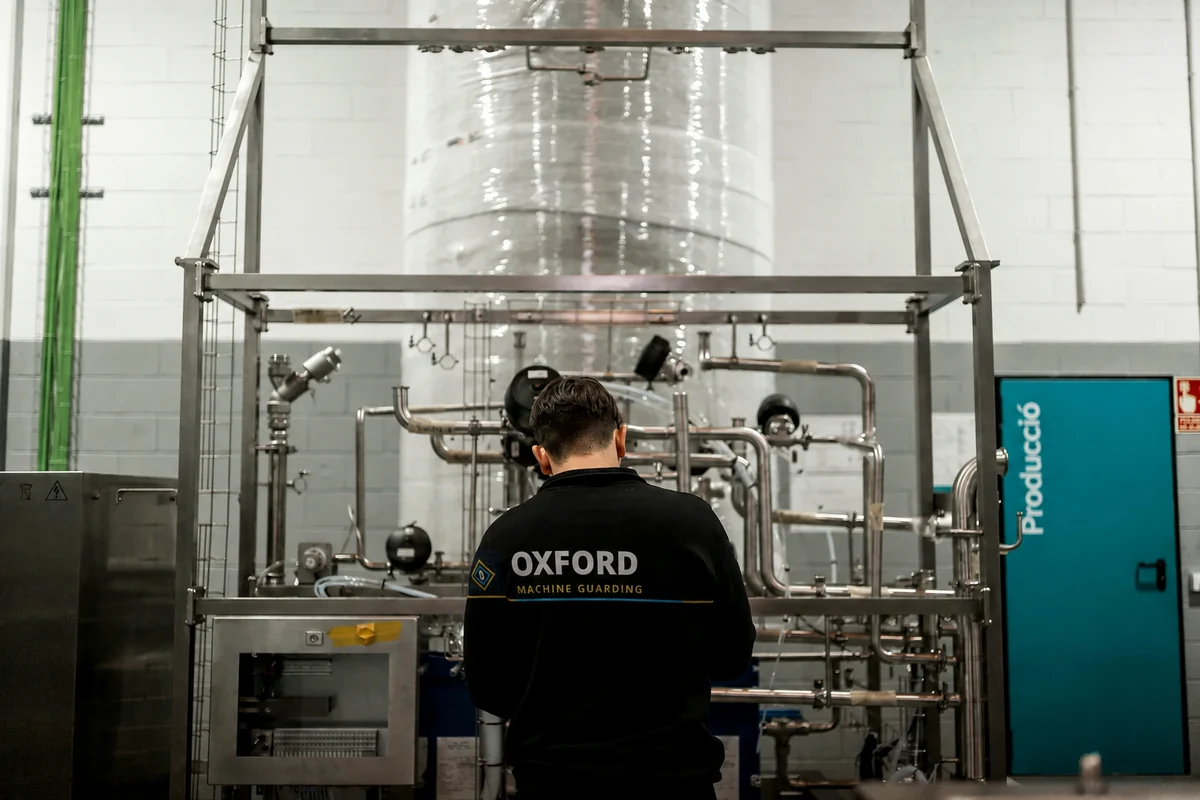 Site survey, inspection & retrofit planning
A conveyor guarding inspection follows the system from infeed to discharge and checks drives, nips, transfers, returns, undersides, product openings and access controls. It also observes cleaning, jam clearance, tracking, maintenance, isolation and restart behaviour.
The final arrangement follows the application, but a useful project review considers each of these recurring issues.
We inspect every drive, head, tail, transfer, return route, level change and interface—not only the most obvious hazard.
Operator and maintenance tasks reveal access needs, workarounds and conditions that a drawing alone will not show.
Findings can be organised into immediate controls, repair needs, design work and wider system questions for clear next steps.
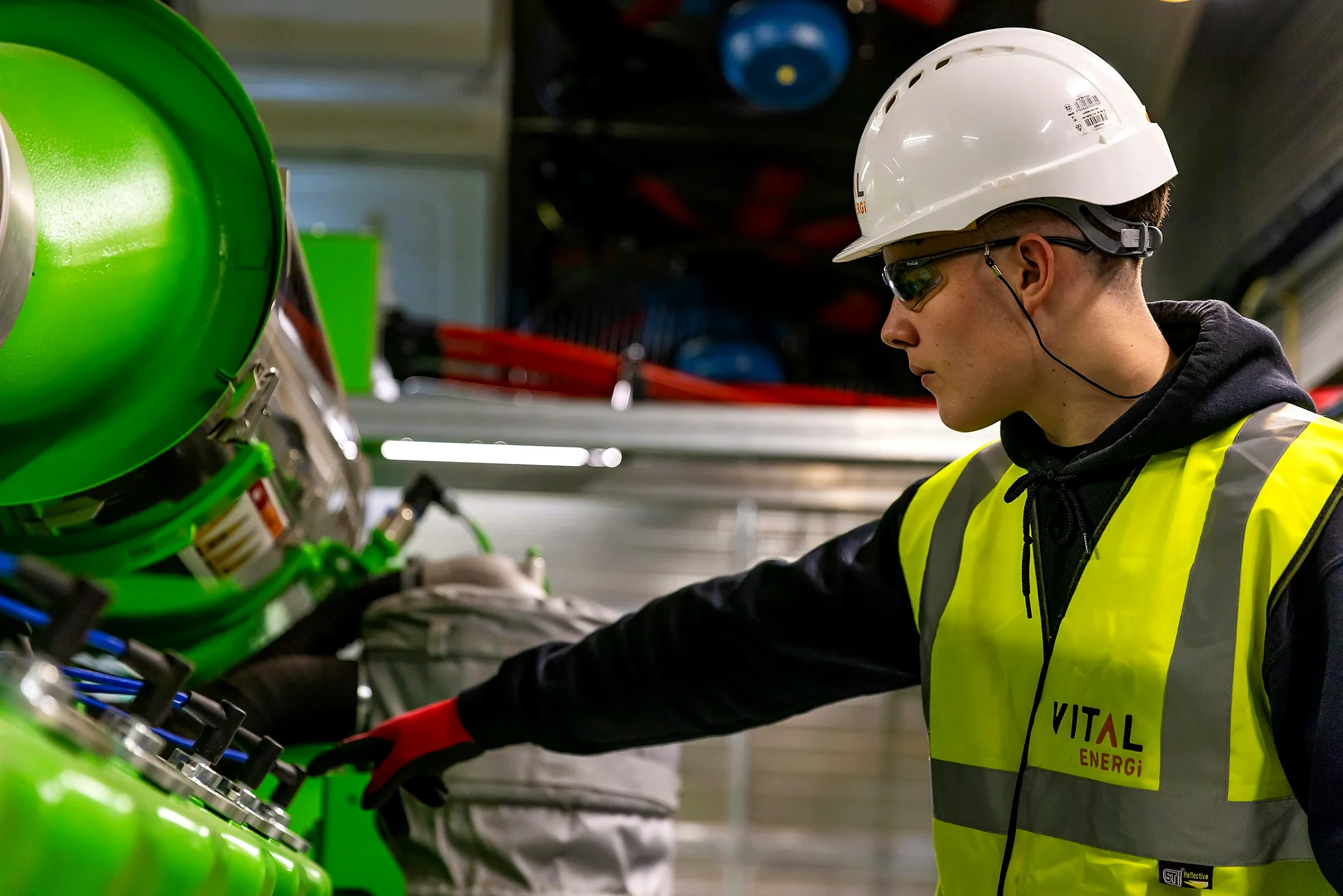
Deliverables are agreed in the quotation so mechanical, electrical and customer responsibilities remain clear.
These answers are general; the machine-specific assessment and agreed project boundary control the final design.
The frequency should reflect risk, use, environment, deterioration and change. Inspection is also important after maintenance, modification, damage, an incident or evidence that safeguards are being bypassed.
The review can support PUWER duties by examining access to dangerous parts, safeguard condition and working practices. The precise scope and responsibility are agreed before the visit.
Yes. Oxford Machine Guarding can take an agreed project from survey and design through manufacture, installation, integration and handover.
Send photographs, a layout or a short description. We can help define whether the next step is a desktop review, site survey, repair or complete guarding project.