
Capture the real installation
Laser measurements, photographs, fixing points, services and adjacent structures are recorded around the live line.
Survey, design, manufacture and installation of replacement or additional guarding around established conveyors, production lines and changing access requirements.
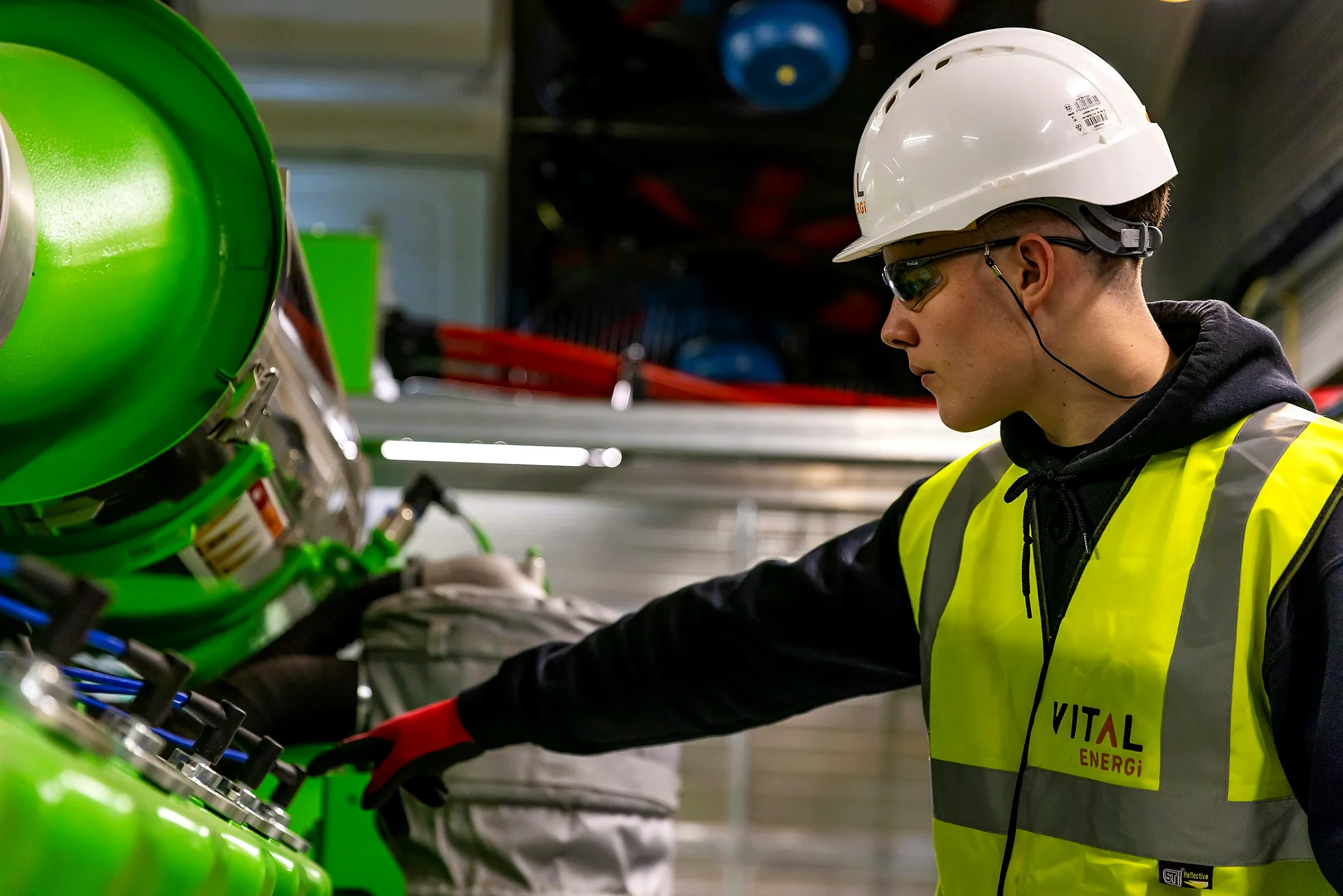 Existing line survey · phased retrofit planning
A conveyor guarding retrofit adds or upgrades fixed guards, panels, tunnels and controlled access around existing machinery. A successful retrofit starts with the actual hazards, tasks, controls and available fixing points, then plans manufacture and installation around production shutdowns.
Drawings may not reflect years of modification. The survey records current geometry, access, controls and intervention tasks before new guarding is developed.
Laser measurements, photographs, fixing points, services and adjacent structures are recorded around the live line.
Immediate defects, high-frequency access and larger redesign items can be separated into sensible phases.
Mechanical fit, electrical interfaces, temporary conditions, testing and handover are assigned before installation begins.
Review is sensible after a line extension, conveyor replacement, product change, control modification, incident, repeated guard damage or evidence that people remove or bypass panels to complete routine work.
Retrofitting a physical guard may also affect access, visibility, cooling, cleaning and safety controls. The whole task should be considered so a new panel does not simply move the problem elsewhere.
Source: HSE PUWER overview ↗
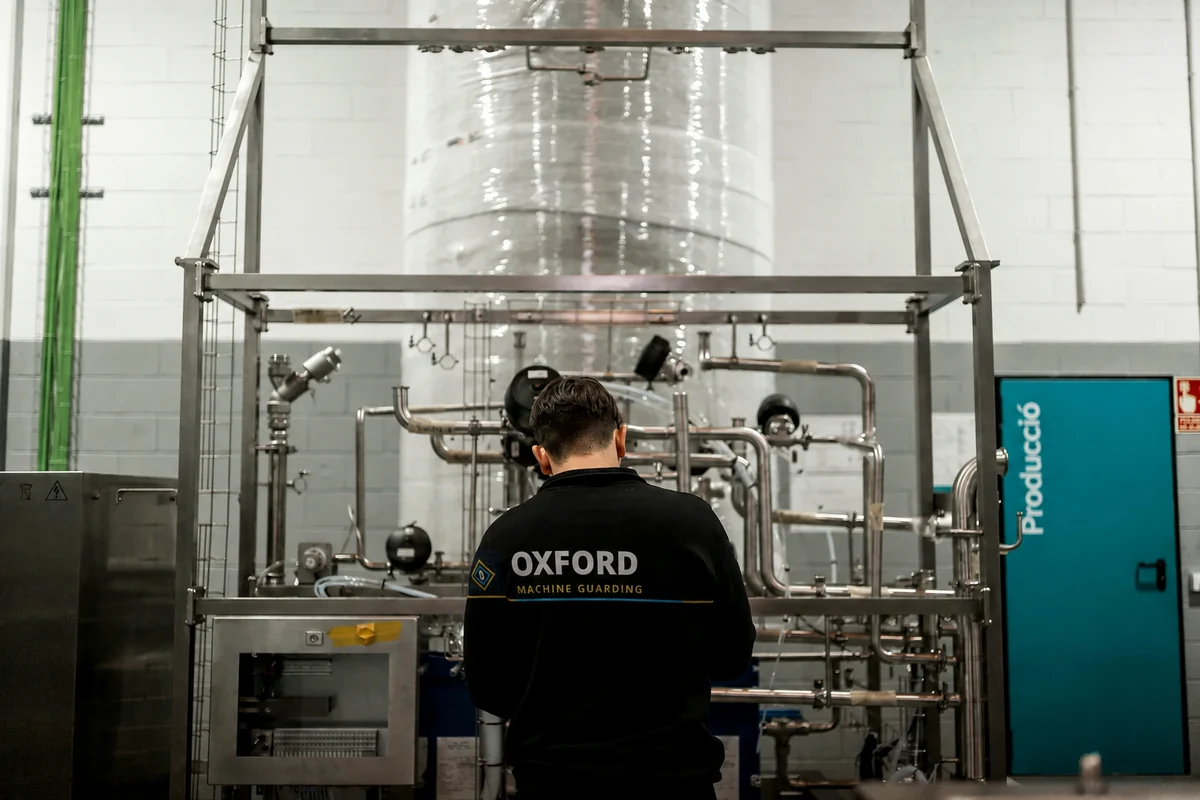
We can develop a single urgent replacement or a phased site-wide programme, with the boundary and responsibilities stated clearly.
Clear answers for early planning; the machine-specific assessment determines the final safeguarding arrangement.
Usually. New guards can often attach to existing frames or independent supports. The survey confirms whether the structure, access and fixing points are suitable.
The installation can often be planned in phases or preassembled off site. The achievable programme depends on survey access, fixing work, electrical integration and testing.
A modification can affect machinery responsibilities depending on its scope and significance. The project boundary and any wider conformity implications should be reviewed before work.
Yes. A single replacement can be surveyed and reproduced or redesigned, while also checking that the surrounding access and fixings remain effective.
Send photographs, a layout or a short description. We can help define whether the next step is a desktop review, site survey, repair or complete guarding project.