
Confirm the hygiene zone
Direct product exposure, splash, dry or wet cleaning and site material standards inform the construction.
Conveyor guards for food and beverage production designed around hygiene zones, washdown, product exposure, cleaning tasks and safe maintenance access.
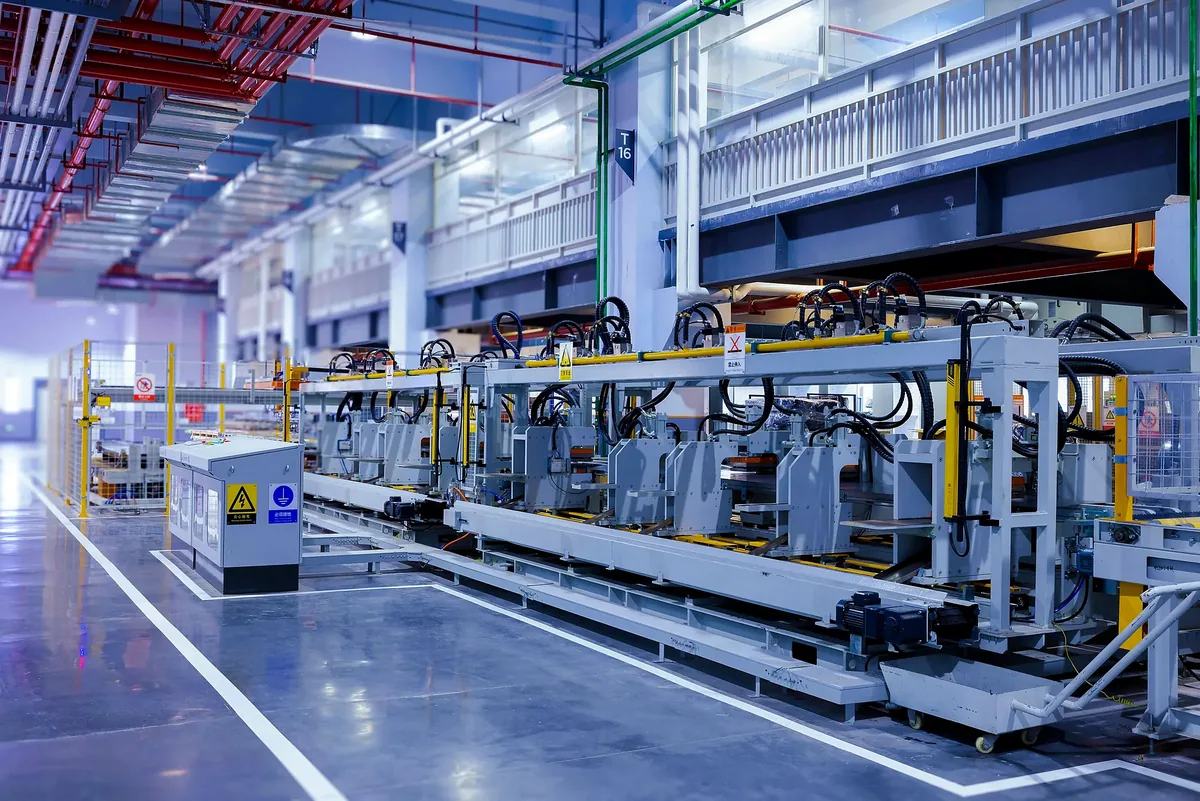 Hygienic design · practical cleaning access
Food conveyor guarding must prevent access to dangerous movement while remaining cleanable, durable and practical to inspect. Material, surface finish, panel geometry, fixings and access methods are selected around the hygiene zone, washdown method, product exposure and cleaning frequency.
A difficult-to-clean guard is likely to be removed or bypassed. The design therefore starts with how the conveyor is cleaned, inspected and maintained.
Direct product exposure, splash, dry or wet cleaning and site material standards inform the construction.
Panel shapes, frame orientation, gaps, fasteners and supports are considered around cleaning and inspection.
Tool-removable, hinged or interlocked access is selected according to how often cleaning or maintenance requires entry.
Stainless steel may suit wet, corrosive or hygiene-sensitive zones; coated mild steel may suit dry secondary areas. Clear polycarbonate can improve visibility, while mesh supports ventilation and inspection. The correct choice depends on reach distance as well as hygiene.
Guarding should not obstruct drains, create inaccessible ledges or make routine cleaning dependent on unsafe removal. Panel weight, handles, captured fixings and a safe place to support removed guards all influence the final design.
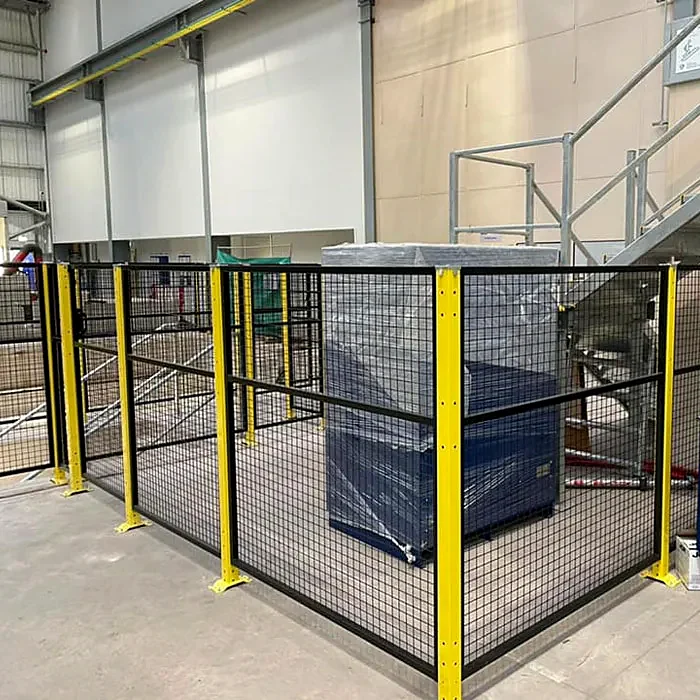
The agreed scope can cover one conveyor, a packaging interface or a complete line, with material and cleaning requirements recorded at the outset.
Clear answers for early planning; the machine-specific assessment determines the final safeguarding arrangement.
Not in every location. The material should suit the hygiene zone, product exposure, cleaning chemicals, moisture and site standards. Stainless steel is common where corrosion and cleanability are critical.
They can be designed for frequent access, but daily removal may justify hinged or interlocked panels rather than repeated loose fixings. The safe cleaning and restart method must be defined.
Yes, where the material is suitable for the environment and the panel position, thickness, fixing and reach distance provide effective protection.
Yes. The survey records product flow, hygiene zones, changeovers, cleaning access and interfaces with fillers, sealers, labellers or other machines.
Send photographs, a layout or a short description. We can help define whether the next step is a desktop review, site survey, repair or complete guarding project.